
-
Liquid Nitrogen Containers
-
 Small Portable Liquid Nitrogen Container
-
 Transportable Liquid Nitrogen Tank
-
 Standard 50mm Caliber Liquid Nitrogen Flask
-
 Big Caliber Liquid Nitrogen Cylinder
-
 Liquid Nitrogen Dewar For Cell Storage
-
 Liquid Nitrogen Vessel For Bueaty
-
 Animal Semen Storage Ln2 Tank
-
 Cryogenic Liquid Nitrogen Dewar
-
 YDS-30-125 Liquid Nitrogen Storage Container
-
 2 Liter Liquid Nitrogen Container
-
- Stainless Steel Tank
- Customized Tank
- Liquid Nitrogen Generator
- Industries


Why Temperature Inside a Liquid Nitrogen Tank Is Not Uniform
人们通常认为液氮罐的内部温度均匀地保持在-196°C。但实际上,温度从容器底部向上逐渐降低,这一细节直接影响了样品应如何放置。
在常压下,液氮沸点约为−196 °C。液态部分沉降在底部,而其上方的空间则被蒸发产生的蒸汽所充满。最靠近液面区域最冷;温度随着向颈部上升而升高。由于通过颈管的热交换以及周围环境的热泄漏,开口附近的区域温度可能达到−150 °C或更高。因此,储存在同一容器中的样品,其温度会因位置不同而相差数十度。
这一梯度得出两个实际结论。首先,对温度更敏感的样品应保持在液体表面以下或紧邻其上方的冷区,而非靠近瓶颈处。其次,这两种储存方式都存在权衡。液相储存能提供更接近理论沸点的稳定温度,但存在瓶间交叉污染的潜在风险。气相储存则能显著降低这一风险,但代价是温度略高,且需要更仔细地管理液位。
在日常操作中,值得在多个高度测量温度,绘制储罐的内部轮廓,并相应地划分存储区域和样品优先级。减少打开盖子的频率以及保持打开的时间有助于保持温度梯度稳定。在升降货架时,快速操作可以限制样品在较热区域停留的时间,因为反复的加热和冷却不利于样品状态。
认识到储罐内部的温度并非均匀分布,促使我们重新审视日常操作流程。低温储存的可靠性往往就建立在这些细节之上。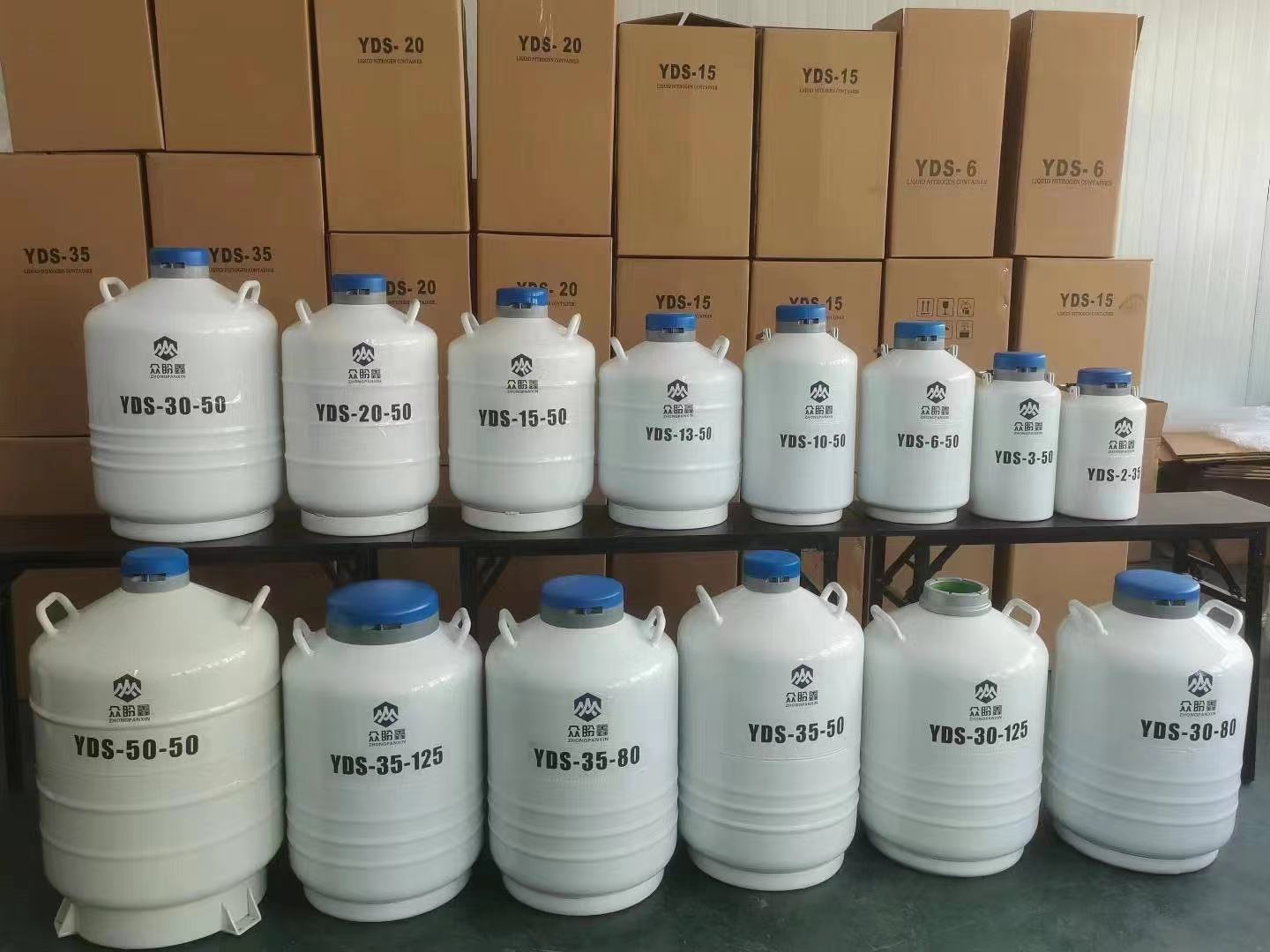
Get Price List
- Products Category
- Liquid Nitrogen Containers
- Stainless Steel Tank
- Customized Tank
- Liquid Nitrogen Generator
- Industries
- Lasted Blogs
- How a Liquid Nitrogen Tank “Freezes Time”: Inside −196 °C Oct 15,2026
- Why Should a Liquid Nitrogen Tank Not Be Placed Directly on a Concrete Floor? — Corrosion and Protection Sep 03,2026
- Why Must a Liquid Nitrogen Tank Be Pre-Cooled Before Use? — Preventing Thermal Shock Sep 02,2026
- How to Choose Between “Canisters” and “Racks” Inside a Liquid Nitrogen Tank? Sep 01,2026
 Free Quote
Send message
Free Quote
Send message


Xinxiang Zhongpanxin Industry Co.Ltd. is mainly specialized in manufacturing liquid nitrogen container, liquid nitrogen freezer, liquid level gauge, liquid level monitor, livestock husbandry tools for almost two decades.
 Products